
The Grief Centre - Part 2

Absent & Delayed Grief
Not everyone cries. Not everyone feels their loss immediately or in the same way. But no one should be judged because “every grieving person looks different; there is no right or wrong way to grieve, and some will cope better”, according to Grief Centre general manager Katrina King.
Burstows Funerals has partnered with the Grief Centre to offer ongoing free support for up to a year to those who have lost a loved one.
Don’t make the mistake of thinking that just because people don’t show their grief outwardly they are not feeling it just as strongly, struggling internally, or perhaps feeling they have to be strong for others, Katrina cautions. Triggers such as an anniversary or other special occasions can often lead someone who had considered themself to be dealing well with loss, or “moving on with life” to “crash” and reach out for help.
“It’s a case of giving yourself to that moment and acknowledging that it’s okay to feel that way,” Katrina said.

“That person you love is no longer physically alive but you will carry them with you forever. You will always have that grief – it sounds harsh, but you don’t get over a deep loss – you will always hold onto that person in your heart and think about them. But I’m a big advocate of hope and belief and that there are also wonderful moments to come.”
Resilience
Katrina pointed to the experiences of Dr. Lucy Hone, a leader in resilience psychology who specialises in grief after the tragic death of her 12-year-old daughter in a car accident.
To foster resilience, Lucy realised she needed to become an “active participant” in her grief – to focus on what can be controlled, face all her emotions and adapt in what was such a potentially overwhelming situation.
The first step was cultivating hope. “That’s a really essential ingredient of resilience: the belief that you will get through this somehow,” Lucy said.
Another was identifying what helped her in her grief journey, such as photos, personal items and rituals, cooking a favourite meal or visiting a favourite place, and meeting with friends. Also, identifying what was negative, or harming her, such as poring over “what if” questions. “It puts us back in the driver’s seat, enabling us to detect thoughts or behaviours that only make us feel worse,” she said.
There is no need to remove those things that remind you of your loved one, rather the opposite is true, with contemporary bereavement research showing that it is healthier to nurture an ongoing connection even without your loved one’s physical presence.
What to Say When There’s Nothing to Say
Too often, people walk away from someone in grief because they are unsure of what to say, Katrina said, leading to yet another loss for the mourner, and potentially feelings of isolation.
“It’s important to be empathetic rather than sympathetic,” Katrina said. That means walking alongside the person experiencing grief, perhaps admitting “I don’t know what to say, but I’m here for you”, or “I hear you, would you like to tell me more?” This is quite different to saying “I’m sorry and either launching into your own experiences or trying to give false cheer, finding a silver lining by stating “at least …” or minimising the hurt by saying “time heals”.
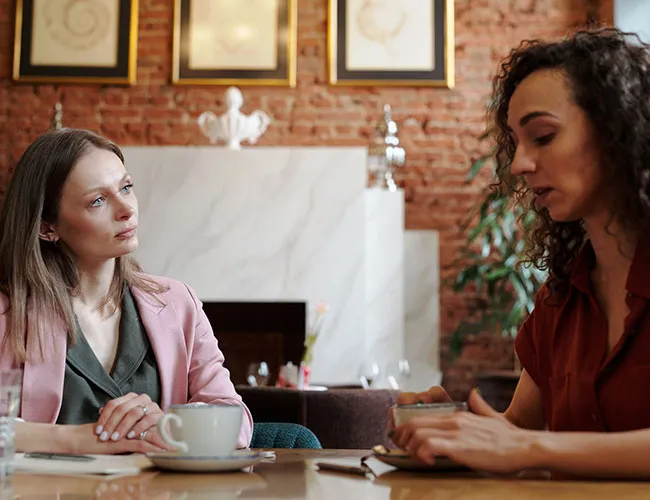
Give people the opening to talk about the person they have lost, to use their name, and let them continue to be part of that person’s life.
Please ask Burstows about the services available through the Grief Centre, or contact the centre directly at email aftercare@griefcentre.com.au, call 1300 270 479, or online at www.griefcentre.com.au.