

The Power of Picture Books in Grief, Hope & Healing - Part 2

The aim of all the books highlighted in this and the previous blog is to provide understanding and hope. You and your child may feel exactly as the characters do, or just a little – everyone’s grief is individual. However, seeing other people’s stories may open hearts to a greater understanding that, while you will never stop missing and loving the person who died, nothing can take your memories away and, in that way, your loved one will always live on in you.
It may also help your little one to understand what friends who have lost a loved one are going through, why they may not seem quite themselves at the moment and may need a little space or a little extra TLC. So, let’s dive into our next selection…
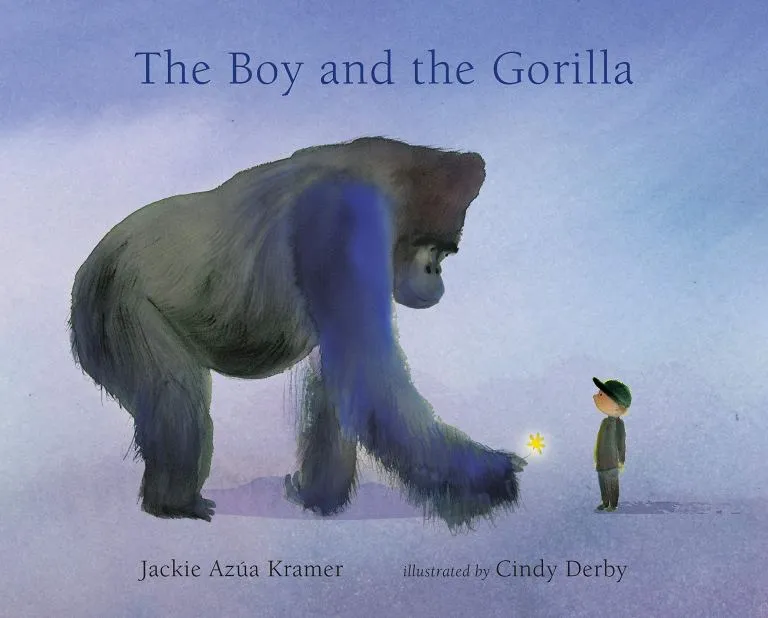
The Boy and the Gorilla
By Jackie Azua Kramer, illustrated by Cindy Derby
Grief here takes the form of a gorilla, which shows up after a young boy has lost his mother. The book’s power is in allowing the boy to speak to Grief as a large, physical but not frightening character. There is very little colour in the early pages, as the boy and his father struggle to accept the mother’s death.
Through the gorilla’s honest answers to his questions, such as “Why did she have to die?” … “All living things die. It hurts not to be able to be with someone we love,” colour begins to re-enter the boy’s world; he reaches out to his father and they share their feelings and memories, and start to live their own lives again.
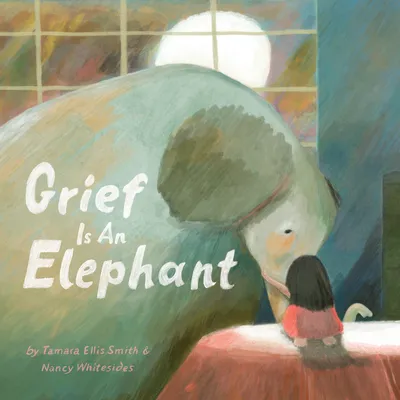
Grief is an Elephant
By Tamara Ellis Smith, illustrated by Nancy Whiteside
Grief shape-shifts into different animals in this book, dealing with the physical as well as emotional impact of grief. Grief starts as an elephant … “Sometimes grief is an elephant, it’s hard to breathe under all that grief …” then as a deer, which you try but can’t seem to leave behind. Then it transforms into a fox which sneaks around, showing up when you don’t expect it, until, one day, it returns as nothing more than a mouse. Finally as you talk about your feelings, grief becomes smaller and smaller until it flies into the night sky, like a firefly … a beautiful memory you know is still there.
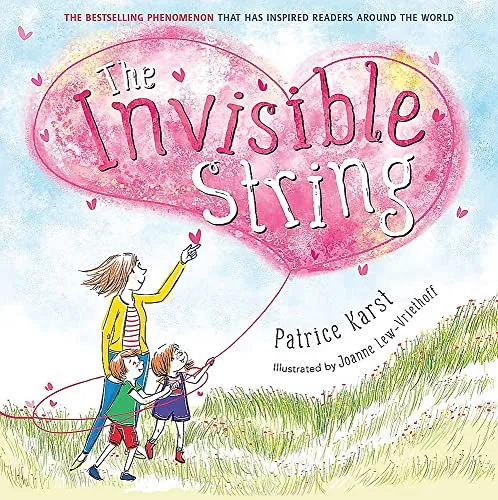
The Invisible String
By Patrice Karst, illustrated by Joanne Lew-Briethoff
This has become a ‘go to’ for many in helping children deal with absence and grief, and was followed by The Invisible Leash, which deals with the loss of a pet – the first loss many children have to deal with. The mother tells her children that even when she is not physically with them, they are bound together by an invisible string of love, which similarly links you to “everyone you love” and which reaches “anywhere and everywhere”, even to Heaven.
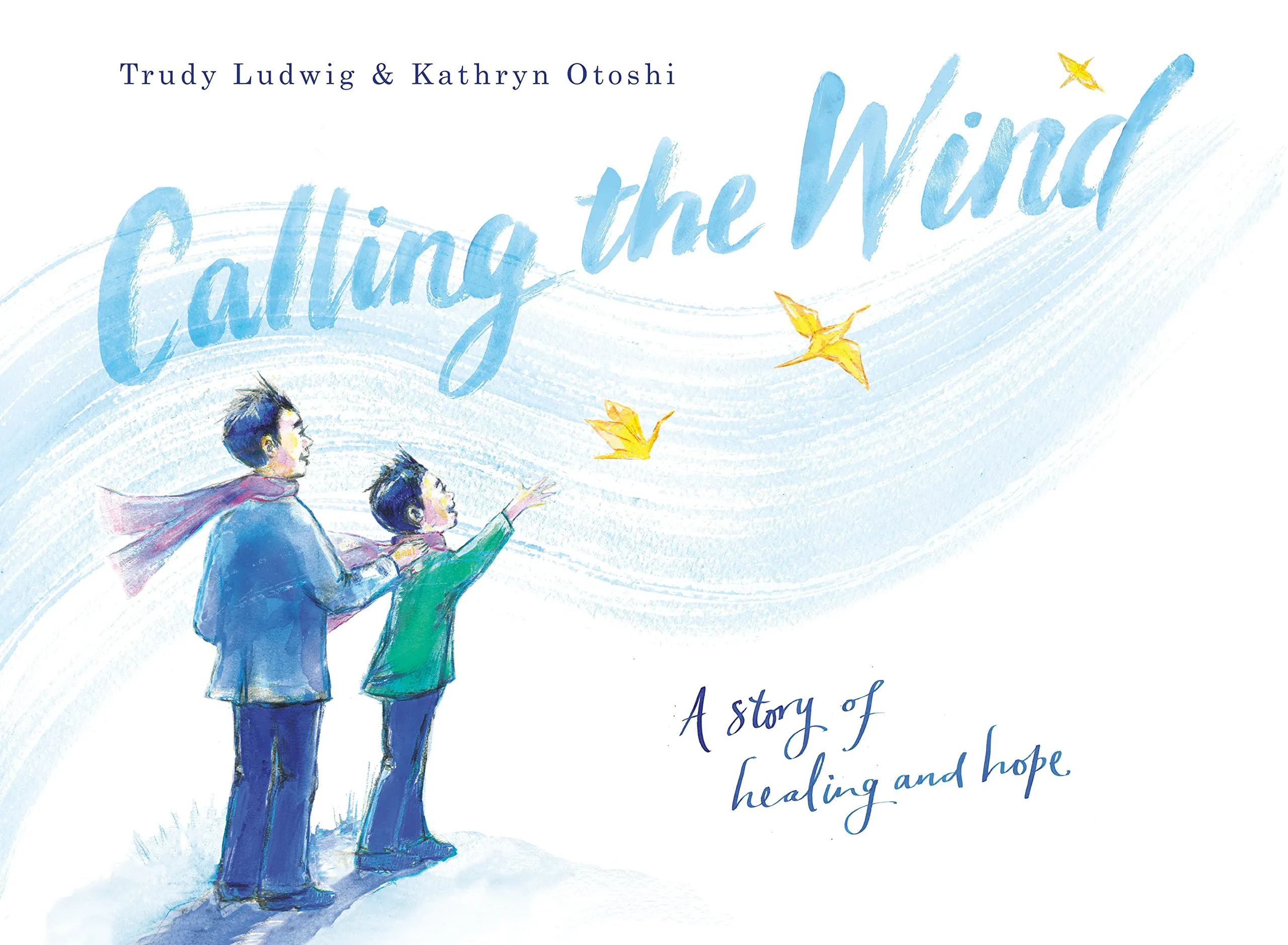
Calling the Wind
By Trudy Ludwig, illustrated by Kathryn Otoshi
Set in Japan, with beautiful watercolour pictures, this book explores how family members deal with their sadness, anger, grief and loss over the death of the mother. Each grieves in their own way, and only starts to heal and find hope through the discovery of a phone that lets each express their bottled up feelings directly to their loved one and to each other.
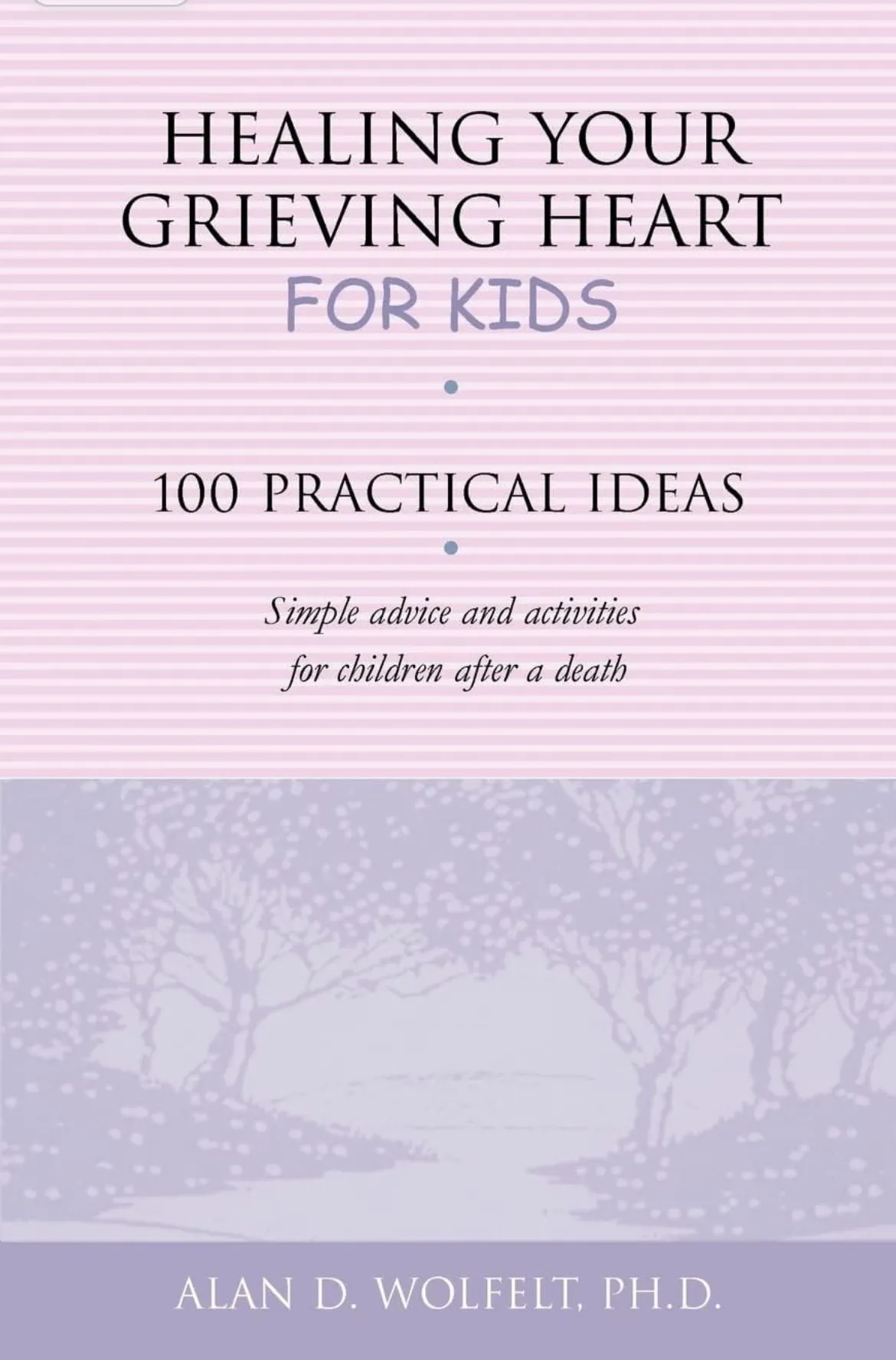
Healing Your Grieving Heart: For Kids … 100 Practical Ideas
By Dr Alan Wolfelt
This companion workbook is full of advice and activities for children 6-12 years old. While not a picture book as such, each of the 100 simple prompts encourage kids to “write or draw your feelings about this”.
After more than 30 years in grief counselling, Dr Alan Wolfelt says, “The most important lesson grieving children have taught me is that they need to mourn”.
“Letting your grief out is called mourning. You need to mourn so you can start to feel better. If you don’t mourn, your feelings will stay all bottled up inside.”.
“It’s okay to feel whatever you feel: sad, mad, maybe scared, sometimes even happy. No feelings are wrong or bad.” However, Dr Wolfelt adds, “Hurting yourself or someone else is never okay. Your life is hard right now, but it will get better. Lots better. People love you. You’re a special kid.”
He encourages children to speak to adults about their grief, to express their emotions in words, writing, art, music or play, tears, cuddles and comfort. Sometimes, he acknowledges, “maybe you need some extra help with your feelings”.
As Dr Wolfelt concludes, “Your future is yours to create”.
** Please note, we have a selection of these books available to borrow from Burstows’ Toowoomba office.*